The energy revolution is not a matter of finding a bigger battery or a more efficient panel. It is a matter of re-establishing a lost conversation with the planet. For too long, humanity has treated energy as a resource to be extracted, burned, or captured—a violent act against the natural order. But what if the most powerful, most sustainable energy source was not something we took from the Earth, but something we simply allowed to flow from life itself?
This is the core philosophy of Pisphere, a quiet revolution that is redefining the very concept of power generation. Pisphere is not another solar panel or wind turbine; it is the realization of a “Living Grid,” a decentralized, symbiotic energy network powered by the most ancient and abundant engine on the planet: the plant. It is the moment we stop fighting nature for power and start collaborating with it.
Imagine a world where every urban park, every vertical farm, every rice paddy, and even the potted plant on your desk is a miniature, self-sustaining power station. This is the vision Pisphere is building, leveraging the subtle, constant energy flow of photosynthesis and the electrogenic power of soil microbes. It is an energy source that is not intermittent, not polluting, and not destructive. It is, quite literally, a living source of power.
The Symbiotic Engine: A Deep Dive into Pisphere’s Science
The genius of Pisphere lies in its elegant simplicity, a concept rooted in the natural world and perfected through bio-hybrid engineering. At its heart is the Plant Microbial Fuel Cell (PMFC) technology, but Pisphere has advanced this concept from a laboratory curiosity into a scalable, real-world solution. This is not a simple battery; it is a bio-reactor that harvests the waste products of life.
Every plant, as it grows, performs the miracle of photosynthesis, converting sunlight, water, and atmospheric carbon dioxide into sugars—its fuel. The plant uses approximately 90% of these sugars for its own growth and metabolism. The remaining 10% is actively exuded through the roots into the soil as organic compounds, a natural process that feeds the vast, complex ecosystem of the rhizosphere. These exudates—a cocktail of sugars, amino acids, and organic acids—are the key to Pisphere’s power.
It is here, in the dark, damp, microbial world surrounding the roots, that Pisphere’s technology intercepts the energy flow. The soil is home to electrogenic bacteria, a specific class of microbes that possess the remarkable ability to transfer electrons outside of their cell walls. These bacteria naturally consume the root exudates for their own metabolic processes. In a typical environment, these bacteria release electrons as a byproduct, which are then captured by other compounds in the soil, such as iron or manganese oxides.
Pisphere introduces a specialized, non-invasive bio-hybrid interface—a system of anodes and cathodes—into the rhizosphere. The anode, typically made of a highly conductive, biocompatible carbon material, is placed near the roots and acts as a preferred electron acceptor. As the electrogenic bacteria consume the plant’s exudates, they deposit electrons directly onto the anode surface. These electrons then travel through an external circuit to the cathode, generating a continuous, low-voltage electrical current.
This process is fundamentally different from traditional biomass energy. Pisphere does not require the plant to be harvested or destroyed. The energy is harvested from the plant’s waste stream, a continuous, passive process that lasts for the entire lifespan of the plant. This makes the Pisphere system a closed-loop, carbon-neutral engine. The plant draws CO2 from the atmosphere, the microbes consume the plant’s natural waste, and the system generates clean electricity. The only inputs are sunlight and water, and the outputs are oxygen, a healthy plant, and usable power. This is the ultimate expression of sustainable energy: a power source that is literally grown, not mined or manufactured with heavy environmental cost.
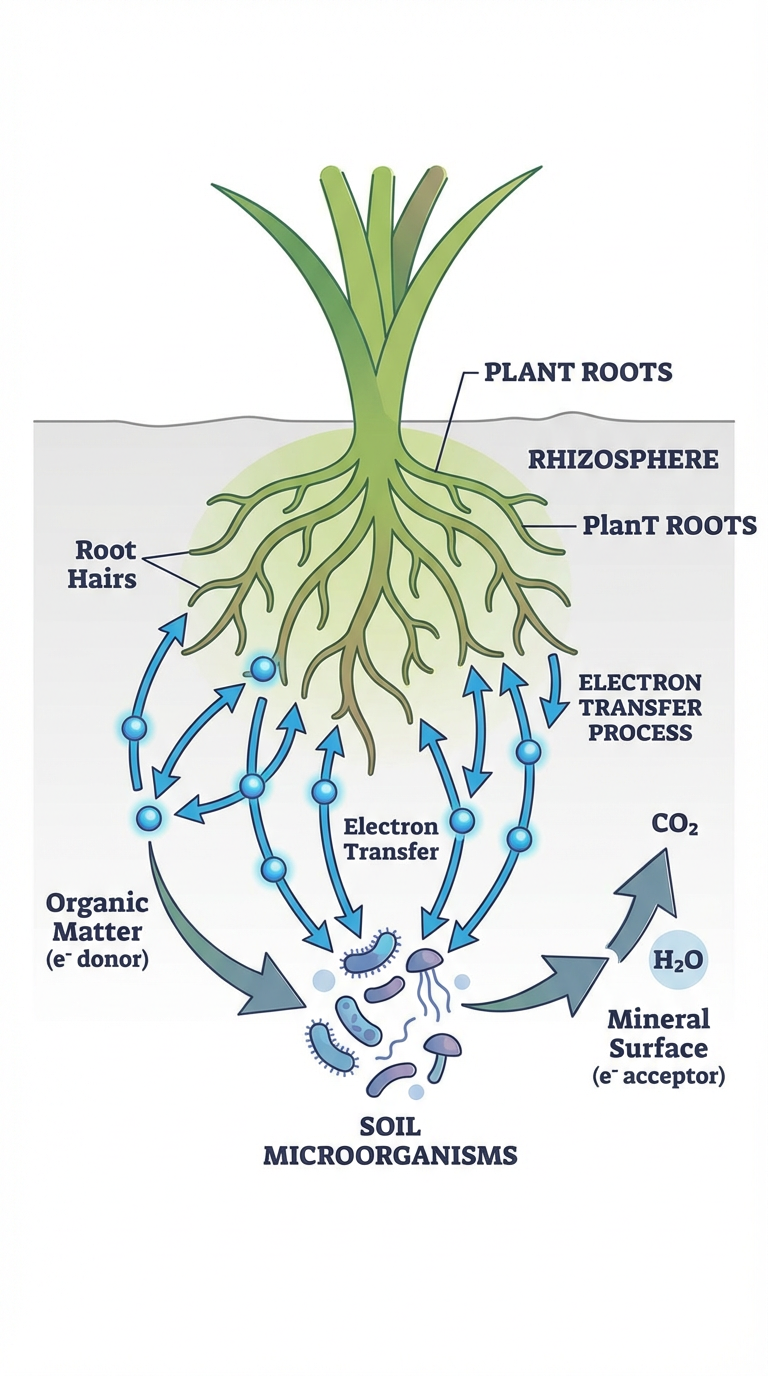
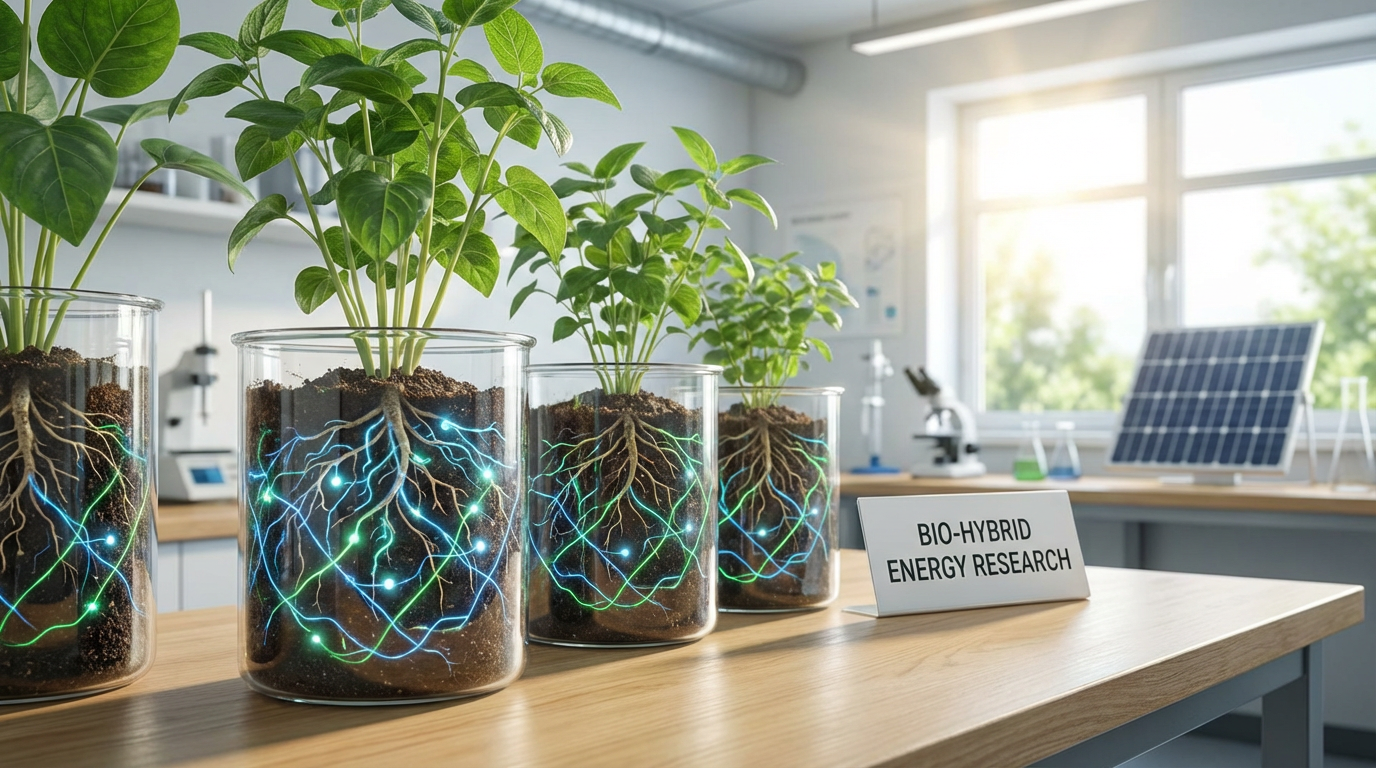
The design of the bio-hybrid interface is critical. Pisphere’s engineers have developed proprietary materials that maximize the surface area for microbial colonization while remaining completely non-toxic to the plant and the soil ecosystem. This delicate balance ensures high efficiency without compromising the health of the living power source. Furthermore, by constantly removing the electrons, Pisphere may even stimulate the microbial community, potentially enhancing the plant’s nutrient uptake and overall vitality—a true symbiotic relationship.
The Ecological Dividend: Beyond Carbon Neutrality
The ecological implications of Pisphere are profound, moving beyond the simple reduction of carbon emissions to a model of true environmental synergy. The technology addresses several critical failures of current large-scale renewable energy projects.
1. Land-Use Harmony: Unlike large-scale solar and wind farms, which often require significant land clearing and can disrupt local ecosystems, Pisphere is inherently non-extractive and co-locational. It can be integrated seamlessly into existing agricultural and urban landscapes, solving the critical problem of land-use conflict that plagues many renewable projects.
Consider the concept of Agrivoltaics, where solar panels are raised above crops. Pisphere takes this a step further, creating a true “dual-harvest” system. Farmers can grow food and generate electricity from the same plot of land, simultaneously. The Pisphere interface is buried beneath the soil, leaving the surface free for cultivation. This not only maximizes land efficiency but also provides a stable, secondary income stream for agricultural communities, making sustainable farming economically viable on a global scale. The system is entirely passive, requiring no moving parts and minimal maintenance, allowing for uninterrupted farming operations.
2. Water Conservation: Pisphere systems are optimized for environments where plants thrive, which often means maximizing water efficiency. The technology is particularly effective in wetland environments, such as rice paddies, where the saturated soil conditions are ideal for the electrogenic bacteria. In drier agricultural settings, the Pisphere monitoring system, which tracks soil moisture and microbial activity, can be integrated with smart irrigation systems, ensuring that water is used only when and where it is needed. This is a stark contrast to energy production methods that require vast amounts of water for cooling or processing.
3. Carbon Sequestration and Negative Emissions: Pisphere’s technology is a powerful tool for carbon sequestration. The entire process is predicated on the plant’s ability to draw down atmospheric CO2. By encouraging the growth of healthy, robust root systems—the very systems that feed the electrogenic bacteria—Pisphere effectively turns every installation into a permanent carbon sink. The more robust the plant, the more exudates it produces, and the more power is generated. This creates a positive feedback loop: energy demand drives plant health, which in turn drives carbon drawdown. This is not just carbon-neutral energy; it is potentially carbon-negative energy, actively cleaning the atmosphere while providing power.
The Economic Model: Decentralization and the Living Grid
The economic model of Pisphere is as revolutionary as its science. Traditional energy infrastructure is centralized, requiring massive capital investment in power plants, transmission lines, and complex grid management. Pisphere, by contrast, is designed for radical decentralization. Its modular nature allows for deployment at any scale, from a single planter powering a sensor to vast fields powering a small town.
This modularity translates to significant cost advantages, particularly in remote or developing regions where grid extension is prohibitively expensive. The initial investment is focused on the bio-hybrid interface and the monitoring system, which are durable and long-lasting. The “fuel”—the plant and the sun—is free and self-replenishing. Over time, the operational costs of a Pisphere system are dramatically lower than those of fossil fuel or even traditional renewable systems that require periodic component replacement. The long-term cost curve demonstrates a clear advantage, as the primary input cost (the plant) is self-renewing and the maintenance is minimal.

The concept of the Living Grid is Pisphere’s ultimate contribution to energy infrastructure. Instead of a brittle, top-down grid that is vulnerable to centralized failure, the Living Grid is a resilient, distributed network of millions of small, independent power nodes. If one node fails, the rest of the system remains operational. This inherent resilience is crucial for a future facing increasing climate volatility and cyber threats.
Furthermore, the data generated by the Pisphere network is invaluable. Each installation acts as a real-time sensor, providing continuous data on soil health, microbial activity, and plant vitality. This data can be aggregated to provide unprecedented insights into local ecosystems, allowing for predictive maintenance, optimized agricultural practices, and a deeper understanding of the planet’s biological processes.
The Application Frontier: Powering the Smart Future
The true game-changer, however, is the integration of Pisphere into the fabric of the modern, connected world. The rise of the Internet of Things (IoT) and Smart City infrastructure demands a constant, low-power energy source that is distributed and reliable. Pisphere is the perfect solution for this “last mile” of power, eliminating the need for batteries or complex wiring in countless applications.
Smart Cities: In a Smart City environment, Pisphere can be integrated into public green spaces, median strips, and rooftop gardens. These installations can power a network of environmental sensors, low-power street lighting, traffic monitoring systems, and Wi-Fi hotspots, all without drawing a single watt from the main power grid. The city becomes a living battery, its green infrastructure simultaneously beautifying the environment and powering its digital nervous system. This is not just about power; it’s about making urban environments fundamentally more resilient and sustainable.
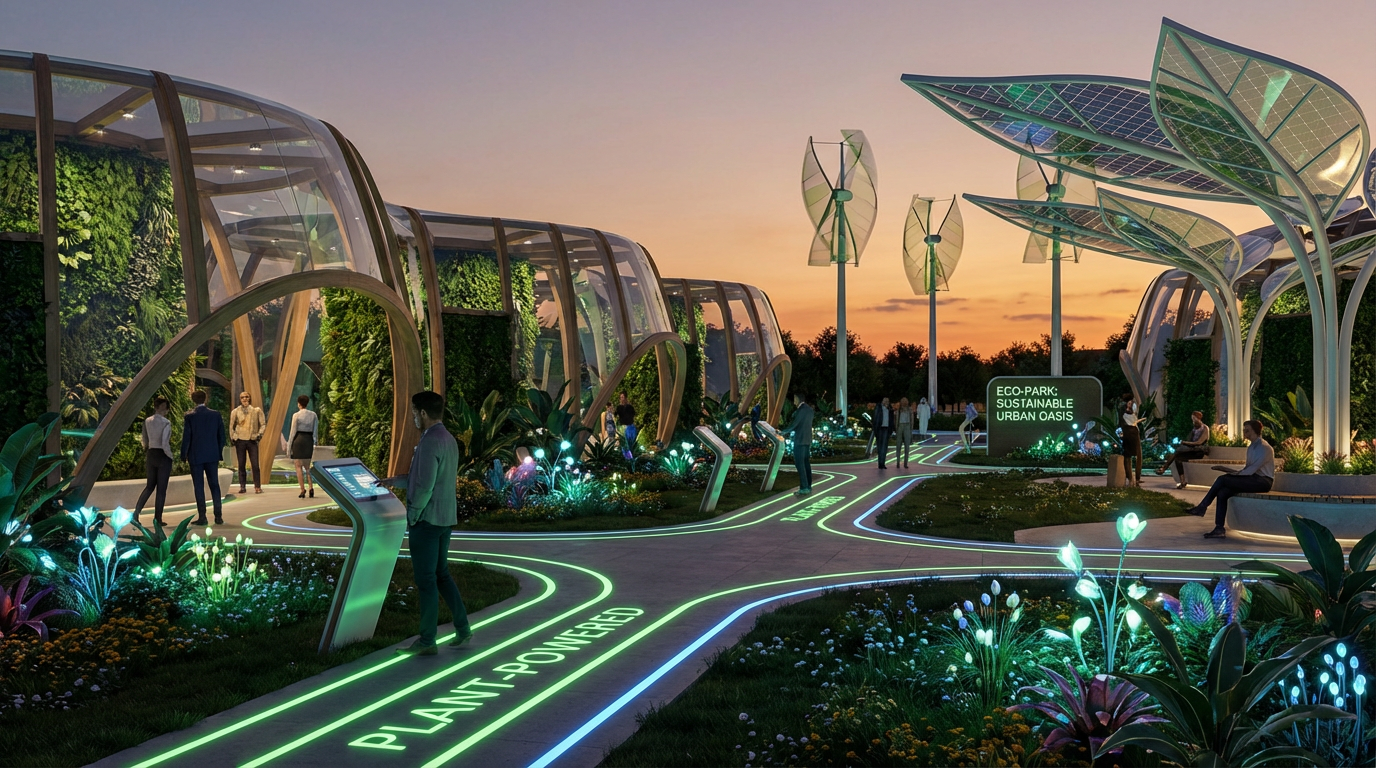
Urban and Vertical Farms: The application extends powerfully to Urban Farms and Vertical Gardens. These controlled-environment agriculture (CEA) systems are notoriously energy-intensive, often relying on grid power for lighting, ventilation, and pumping. By integrating Pisphere into the growing medium, a significant portion of the system’s power needs can be met internally. The plants are not just producing food; they are also powering the very infrastructure that allows them to grow. This self-sufficiency drastically reduces the carbon footprint and operational costs of urban food production, making fresh, local produce more accessible and truly sustainable.
Consumer and Remote Power: Pisphere’s product line reflects this versatility, ranging from consumer-grade Planters designed for home use to industrial-scale modules. The home planter, for instance, can generate enough power to charge a mobile device or run a small LED lamp, turning a decorative item into a functional, educational piece of green technology. It serves as a tangible, daily reminder of the power of nature. On the industrial side, modular Pisphere arrays can be deployed in large-scale agricultural settings, providing the power for automated irrigation, drone charging, and real-time soil monitoring in remote areas where traditional power is unavailable or unreliable.

The Philosophical Shift: From Extraction to Regeneration
The future of energy is not about a single, monolithic solution, but a tapestry of technologies woven together. Pisphere represents the ultimate thread in this tapestry: a technology that harmonizes human needs with ecological processes. It is a profound shift from the mechanical to the biological, from the finite to the regenerative.
For centuries, human progress has been defined by our ability to dominate and extract from nature. The industrial revolution was fueled by the stored energy of ancient life—coal and oil—a one-way transaction that has left a profound ecological debt. Pisphere offers a different path: an energy source that is a continuous, positive exchange with the environment. It is a technology of humility, recognizing that the most powerful engine is the one that has been running for billions of years.
While the technology is already demonstrating viability, the path to global adoption involves overcoming challenges. Scaling the efficiency of the PMFC to compete with high-output solar and wind remains a focus of ongoing research. However, Pisphere’s value is not measured solely in watts per square meter, but in its unique ability to integrate power generation with ecological benefit. It is a foundational layer for a new, distributed energy architecture, one that complements, rather than competes with, other renewables.
Educating the public and industry about this entirely new class of energy generation is also crucial. Pisphere is not a drop-in replacement for a coal plant, but a foundational layer for a new, distributed energy architecture. It requires a new way of thinking about infrastructure, one that sees green spaces not as aesthetic amenities, but as essential, productive components of the power grid.
The vision is clear: a world where energy is a byproduct of life, not a cause of destruction. A world where our infrastructure is not just built on the Earth, but grown with it. Pisphere is the catalyst for this future, a revolutionary technology that invites us to look down at the soil, at the roots of a common plant, and see not just life, but the limitless, clean power of the Living Grid. The revolution is already taking root.
The final frontier of energy is not space, but the soil beneath our feet. Pisphere is simply giving us the tools to plug in. The age of extraction is ending; the age of regeneration has begun. The power is in the plant. The future is Pisphere.